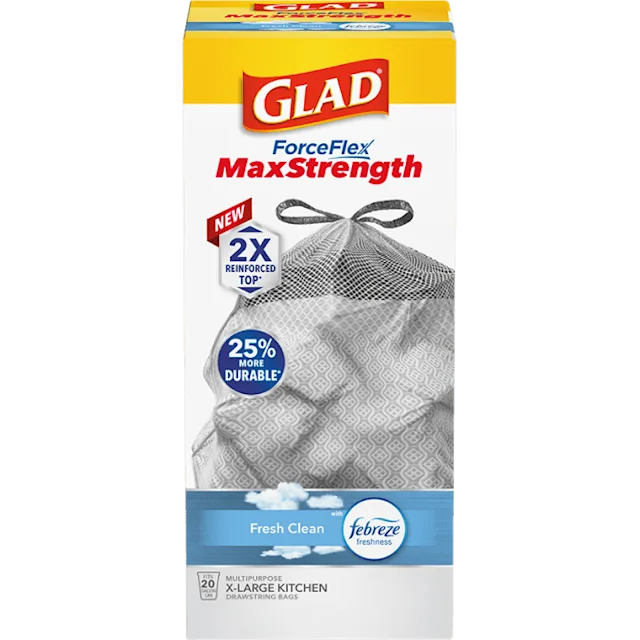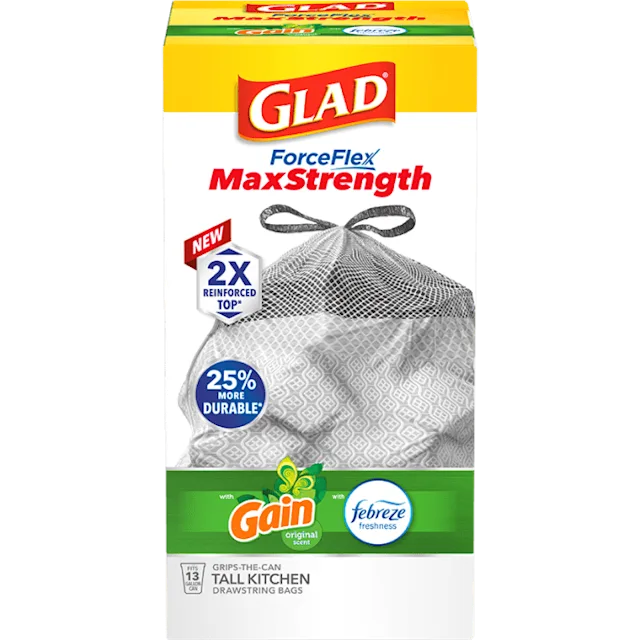





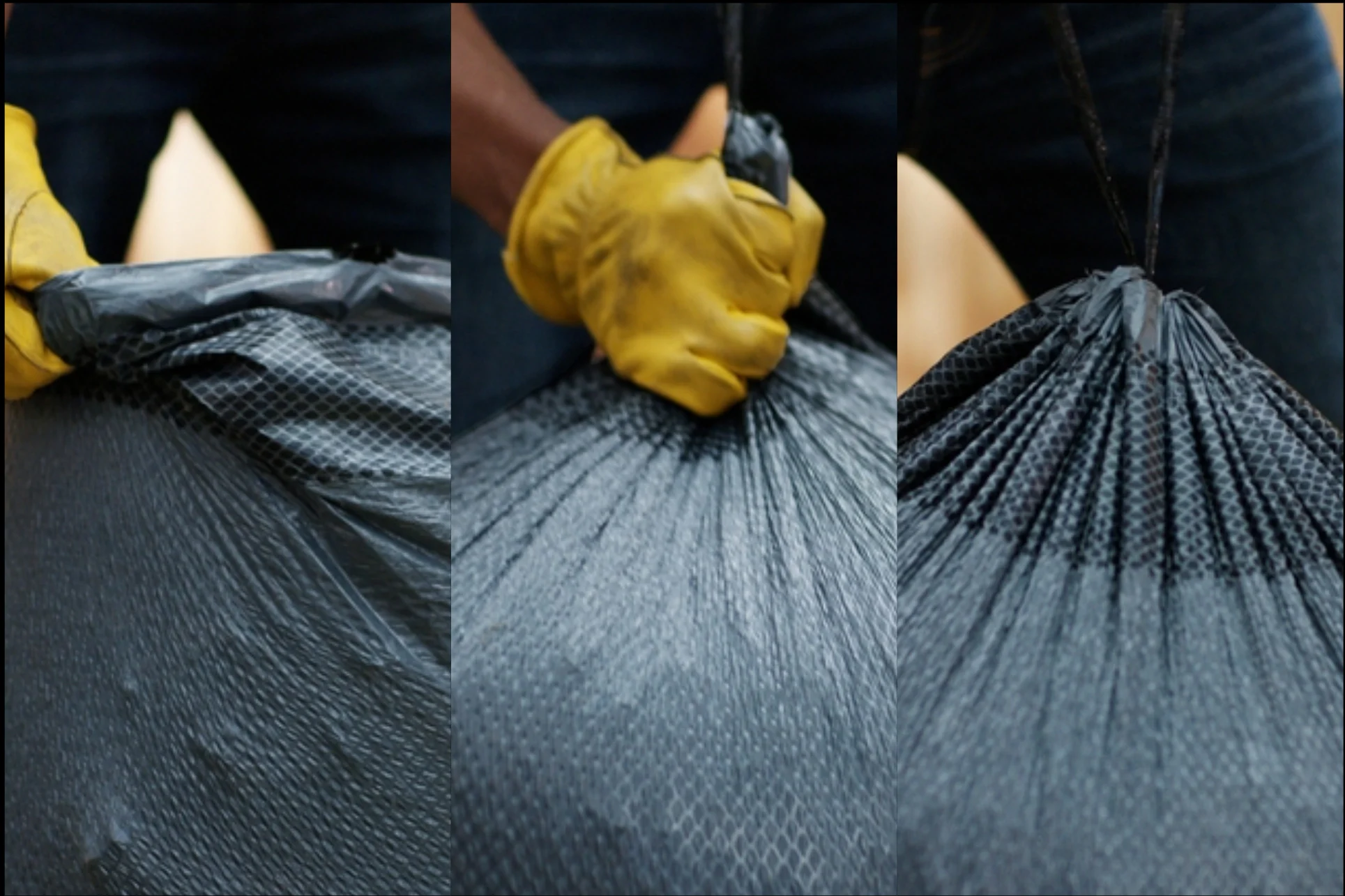
- Tying a trash bag properly helps prevent leaks, odors and messy spills, especially when removing a full bag from the can. Whether you’re using a standard kitchen bag, a drawstring bag or a contractor bag, the right technique helps create a secure seal and makes cleanup easier.
Why You Should Tie a Trash Bag Correctly
A poorly tied garbage bag can:
- Leak liquids during removal
- Trap odors that escape easily
- Tear under pressure
- Come undone while carrying
Using the right knot or closure method keeps waste contained and makes disposal cleaner and more efficient.
How to Tie Trash Bag by Type
Bag Type How to Tie Best For Drawstring bag Pull strings and tie together Quick, mess-free removal Standard bag Twist top and tie a basic knot Everyday household trash Heavy load Twist tightly & tie an overhand knot Preventing leaks and tearing Flap tie bag Tie the two flaps together Secure closure without stretching Contractor bag Twist, fold over and double knot Heavy or bulky waste 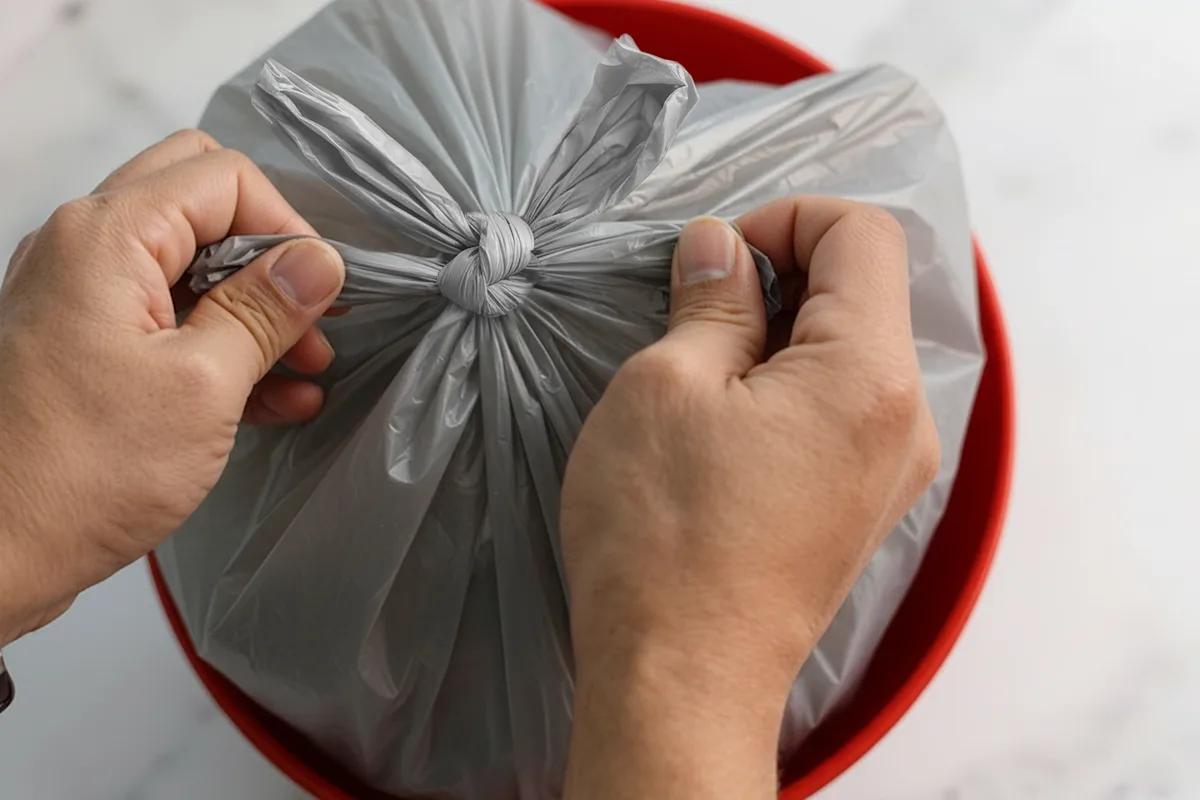
Method 1: Basic Double Knot (Standard Trash Bags)
Steps:
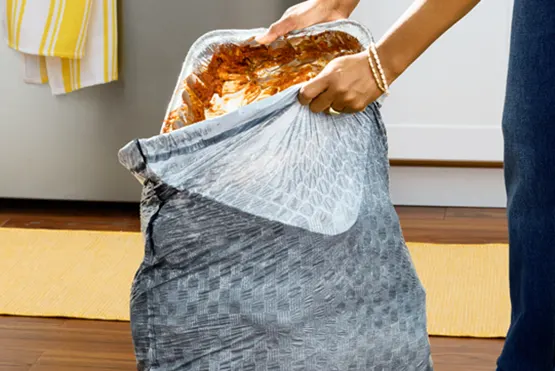
- Pull the bag out of the can slightly and bring all four flaps together at the top
- Take two flaps across from each other and cross them over
- Tie those two flaps into a simple knot and pull snug
- Repeat with the remaining flaps, then tighten everything to fully seal the bag
Why this works:
Twisting removes excess air and creates tension, making the knots tighter and less likely to come undone.
When to use it:
- Standard kitchen trash bags (no drawstrings)
- Light to medium loads
- Everyday household trash
Method 2: Overhand Knot (Stronger Seal)
Steps:
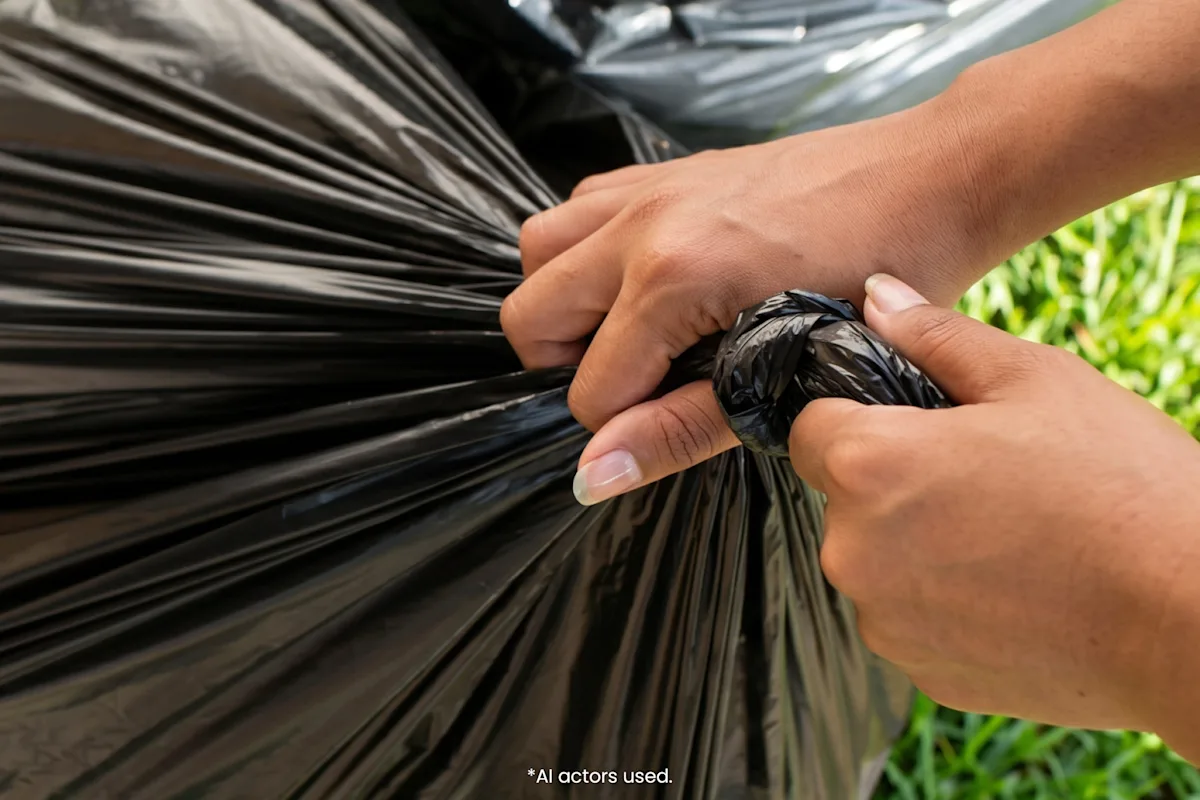
- Gather the top of the bag and twist tightly to remove slack
- Tie a simple overhand knot (like tying a balloon)
- Pull firmly to secure and prevent leaks or odors from escaping
Why this works:
A true knot (rather than just twisting) creates a tighter seal, helping prevent leaks and odors from escaping.
When to use it:
- Heavier trash
- Wet or messy waste
- When odor control is important
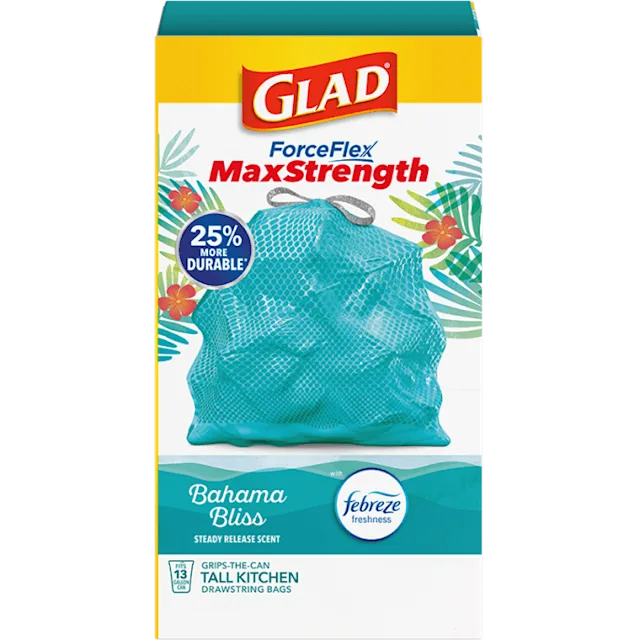
Method 3: Drawstring Closure (Trash Bags with Strings)
Steps:
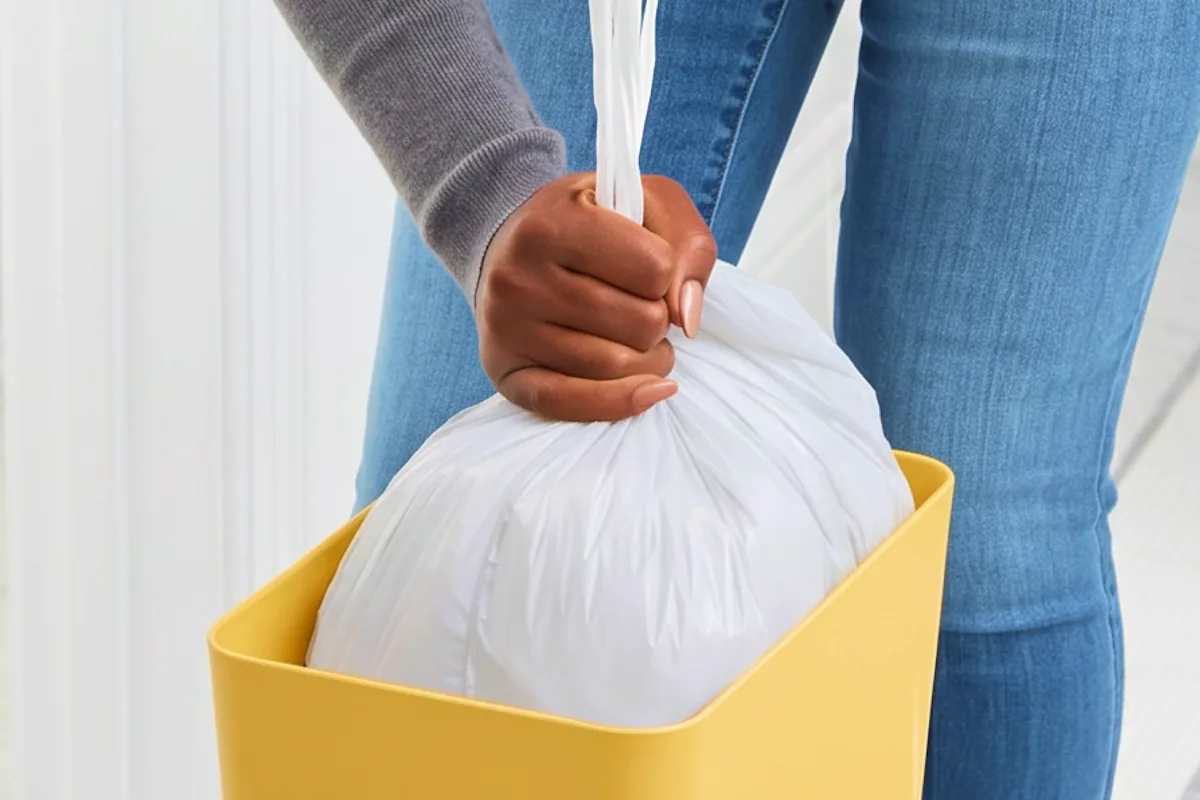
- Pull the drawstrings evenly on both sides
- Gather the top hem and lift the bag carefully out of the can
- Tie the strings together in a knot or bow for secure closure
Why this works:
Drawstrings are designed to cinch the bag closed evenly, reducing gaps and making it easier to carry.
When to use it:
- Kitchen trash bags with built-in handles
- Quick, mess-free removal
- Everyday use with moderate loads
Method 4: Flap Tie Bags
Steps:
- Pull the two flaps at the top of the bag
- Cross one flap over the other
- Tie them together in a knot to create a secure seal
Why this works:
The flaps provide extra material to create a secure knot without overstretching the bag.
When to use it:
- Flap tie trash bags
- Medium loads
- Situations where you want a tighter seal than drawstrings
Method 5: Contractor Bag Knot (Heavy-Duty Bags)
Steps:
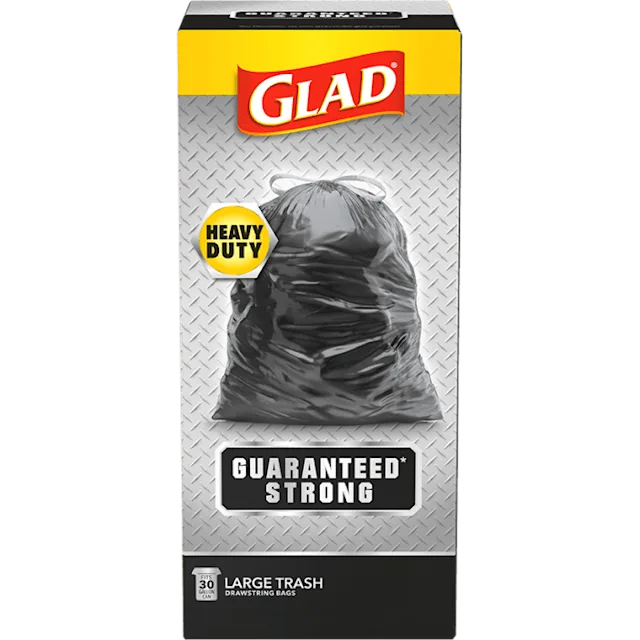
- Gather the top of the bag and twist the top tightly
- Fold the twisted section in half for added reinforcement
- Tie a strong overhand or double knot to prevent tearing under heavy weight
Why this works:
Heavy-duty bags need extra reinforcement, and doubling the knot reduces the risk of tearing under weight.
When to use it:
- Contractor bags
- Yard waste or construction debris
- Heavy or bulky loads
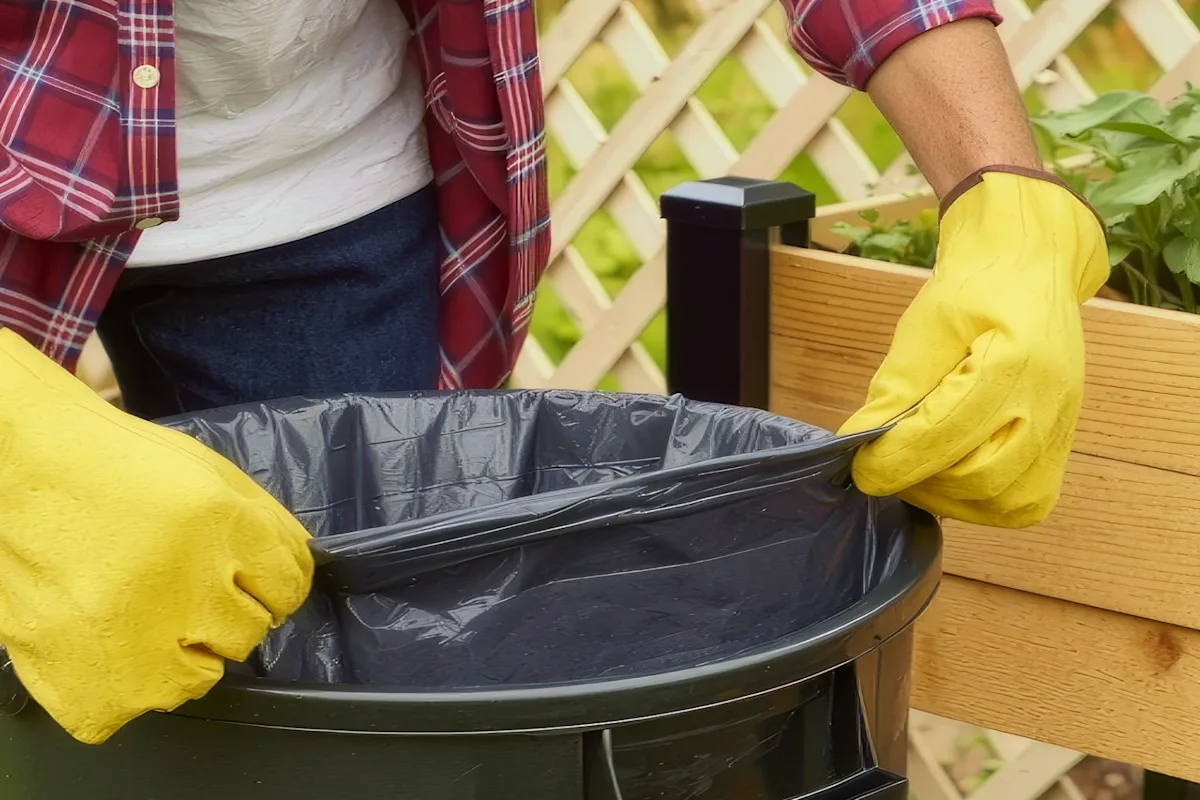
Method 6: Securing a Bag Around a Trash Can
Steps:
- Place the bag in the can
- Fold the edges evenly over the rim
- Tie or tuck excess material underneath the rim if needed to prevent slipping
Why this works:
Securing the bag prevents it from slipping into the can while filling.
When to use it:
- Loose-fitting bags
- Overfilled or heavy trash
- Bins without bag grips
Pro Tips for Better Performance
- Remove excess air
- Twist the bag before tying to eliminate air pockets: this makes knots tighter and easier to secure
- Don’t overfill
- Leave enough space at the top to tie the bag properly without stretching or tearing
- Match the method to the bag type
- Drawstrings, flaps and heavy-duty bags are designed for different closure techniques; using the right one improves performance
- Double knot for heavy loads
- For extra security, especially with wet or bulky trash, add a second knot
Common Mistakes to Avoid
❌ Not leaving enough space to tie the bag
❌ Tying too loosely (leads to leaks)
❌ Overstretching the plastic when knotting
❌ Using the wrong method for the bag typeFinal Takeaway
There isn’t just one way to tie a trash bag. The best method depends on the type of bag and what you’re throwing away.
- Use a basic or overhand knot for standard bags
- Use drawstrings or flaps when available for convenience
- Use double knots for heavy-duty or contractor bags
Tying your trash bag the right way helps prevent messes, improve durability, and make cleanup faster and easier.
Frequently Asked Questions
How do you tie a trash bag with strings?
Pull the drawstrings evenly to cinch the bag closed, then tie the strings together in a knot or bow. This creates a secure closure that’s easy to carry and helps reduce spills.
How do you tie contractor bags?
Twist the top of the bag tightly, fold it over for added strength, and tie a strong overhand or double knot. This helps support heavy or bulky loads without tearing.
What is a trash bag cinch?
A trash bag cinch refers to the built-in drawstring or closure that tightens the bag opening. It helps seal the bag closed and makes lifting and carrying easier.