




- Cleaning out your closet isn’t just about organization — it’s about creating space, simplifying decisions and responsibly removing clothes you no longer wear. Using a simple system (and sturdy Glad trash bags to gather and remove items) makes the process faster, cleaner and more effective. Whether you’re doing a seasonal refresh or a full closet purge, a few structured steps can help you declutter with confidence.
Why You Should Clean Out Your Closet
Closets fill up quickly with items we no longer wear. Holding onto them creates clutter and decision fatigue. Cleaning out your closet helps you focus on what you actually wear and use. Consider cleaning out your closet if you want:
- More space for the clothes you love
- Less clutter and easier daily routines
- Better organization and outfit visibility
- The feeling of a good deed in the form of donations
- Freedom from unused items
Quick Steps to Clean Out Your Closet
- Empty everything: Take all clothes out to see what you own
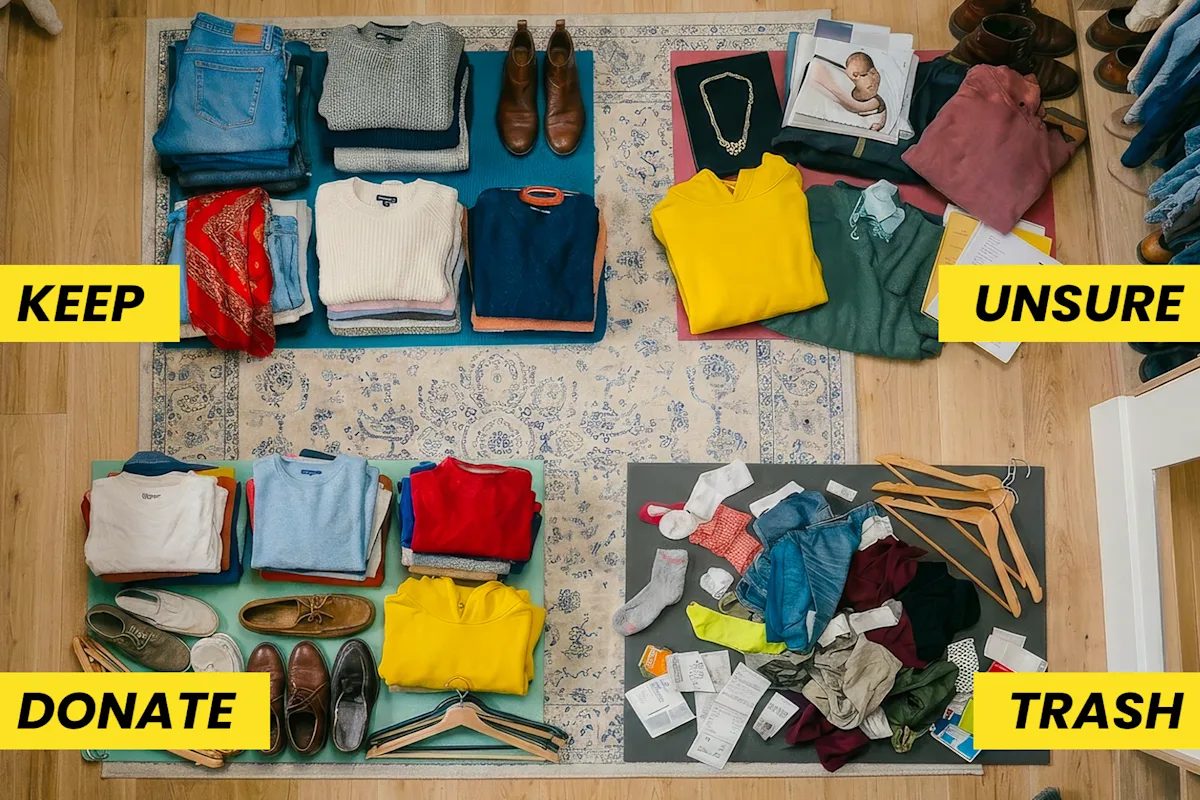
- Sort items: Create “keep,” “donate,“ “trash” and “unsure” piles
- Use Glad trash bags: Gather and remove unwanted clothes easily
- Clean and disinfect: Address high-touch areas and laundry
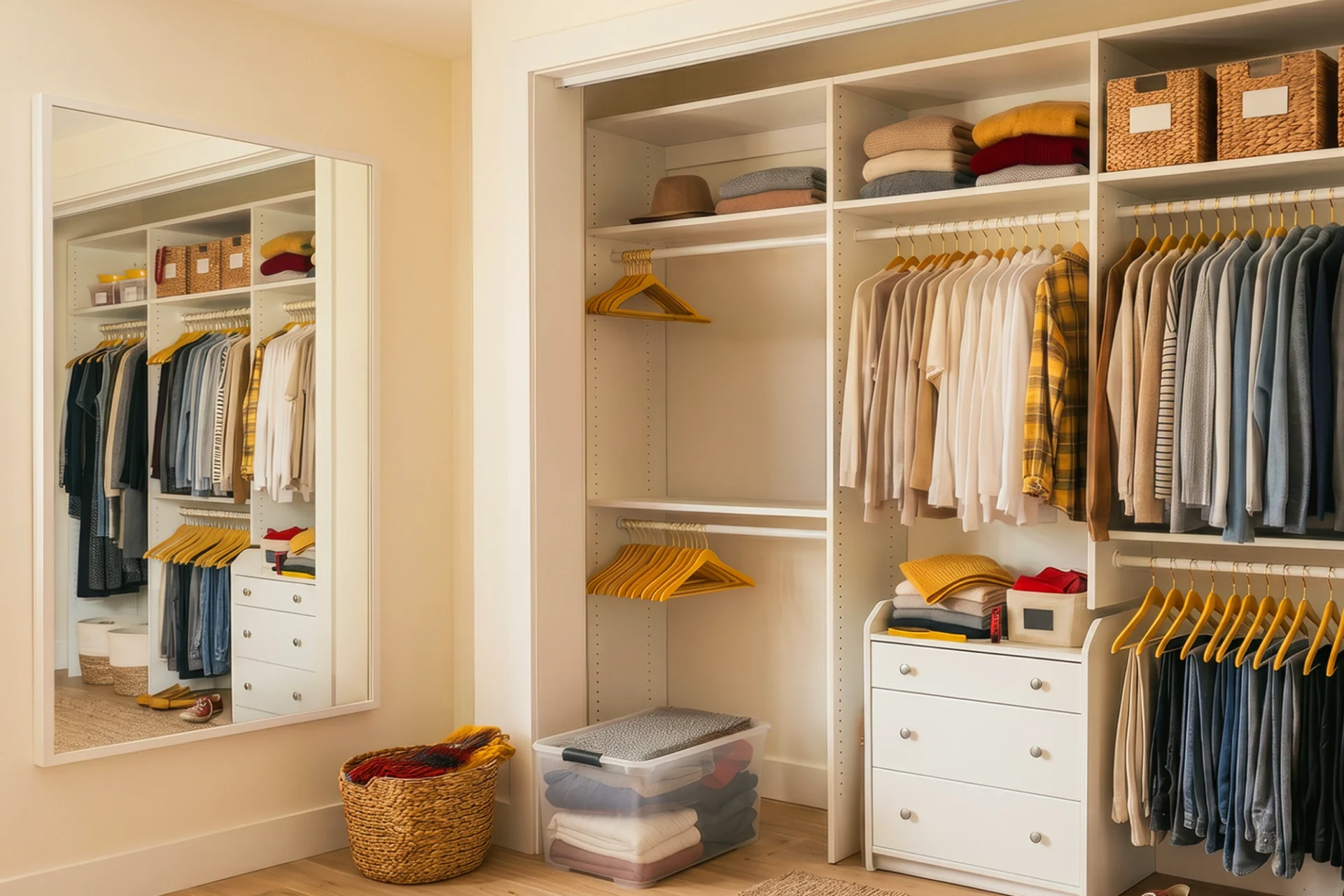
- Organize what’s left: Return only what you wear and need
- Donate usable items: Drop off at local charities or shelters
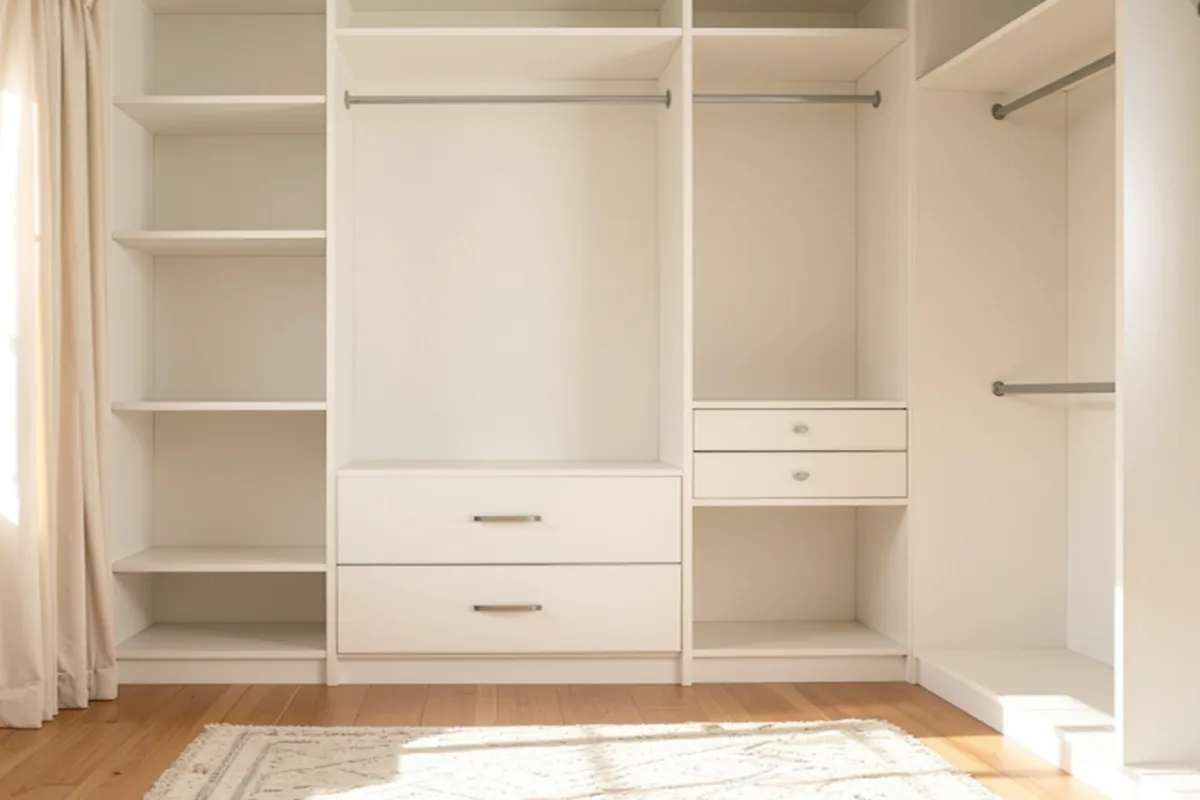
How to Get Started: Empty the Closet
Step 1: Empty Your Closet Completely
The best way to start is with a full reset. Taking inventory makes it easier to see duplicates and unused items.
- Remove everything from your closet
- Lay items out by category (tops, pants, shoes)
- Take inventory of what you actually own
Step 2: Follow a Simple Closet Purge Rule
Ask these questions to decide what stays and what goes:
- Have I worn this in the past year?
- Does it fit comfortably?
- Does it match my current style or lifestyle?
If the answer is no, it’s time to let it go.
A good rule of thumb: Keep only what you wear, love and use regularly.
Step 3: Sort Clothes Into Clear Piles
Create four simple categories:
- Keep — items you wear regularly
- Donate — gently used clothing in good condition
- Trash — damaged, stained or unusable items
- Unsure — revisit later
This keeps the process organized and reduces stress.
How to Organize & Get Rid of Clothes
Step 1: Use Trash Bags to Gather and Remove Clothes
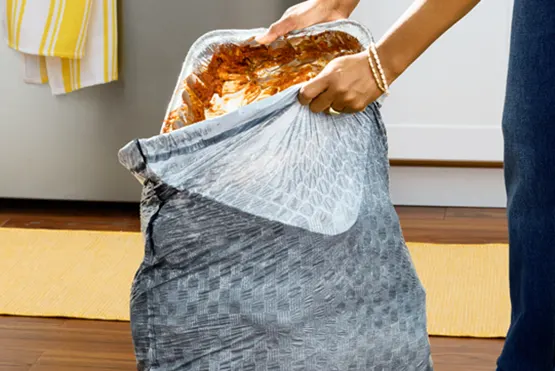
Using trash bags makes closet clean-outs faster, cleaner and more manageable.
For Donation Piles
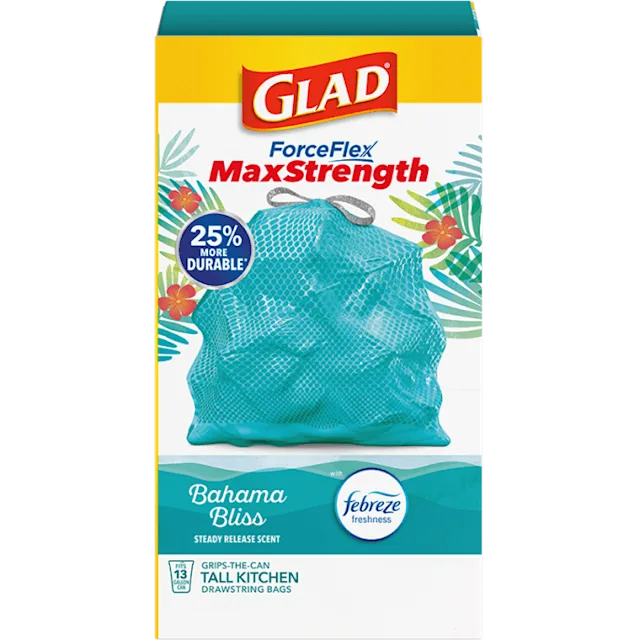
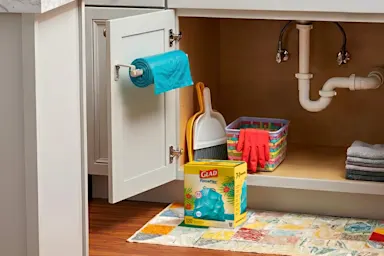
- Use strong, tear-resistant, scented bags to help keep items fresh for donation
- Keeps clothes protected and easy to transport
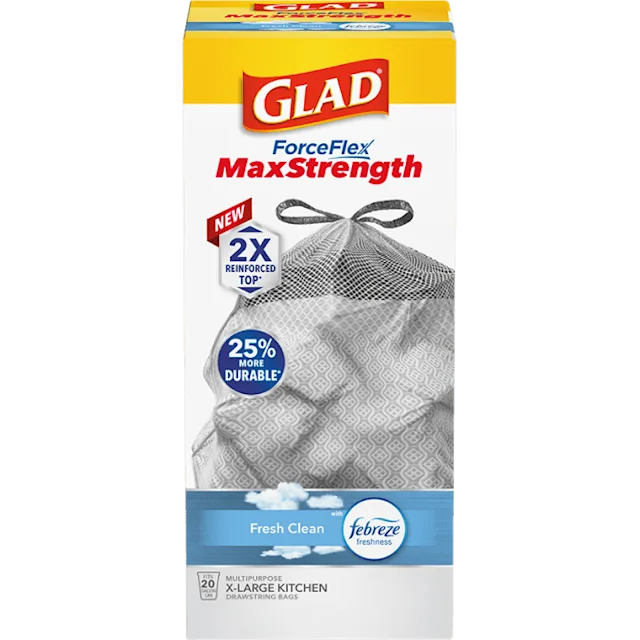
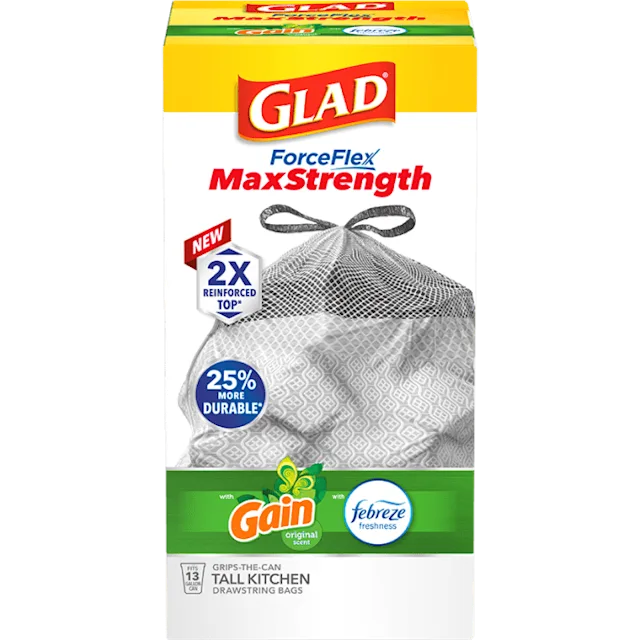
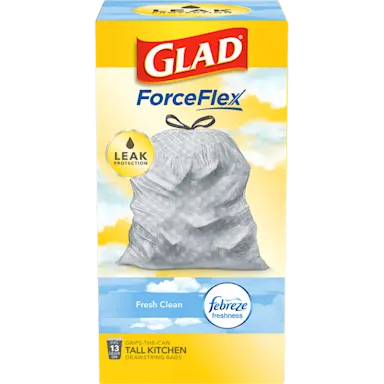
- Consider Glad™ ForceFlex Tall Kitchen Drawstring Trash Bags
For Trash or Damaged Clothes
- Use thick, durable bags
- Ideal for worn, stained or unusable items
- Consider Glad™ ForceFlex MaxStrength with Clorox™ Bags
For Large Clean-Outs
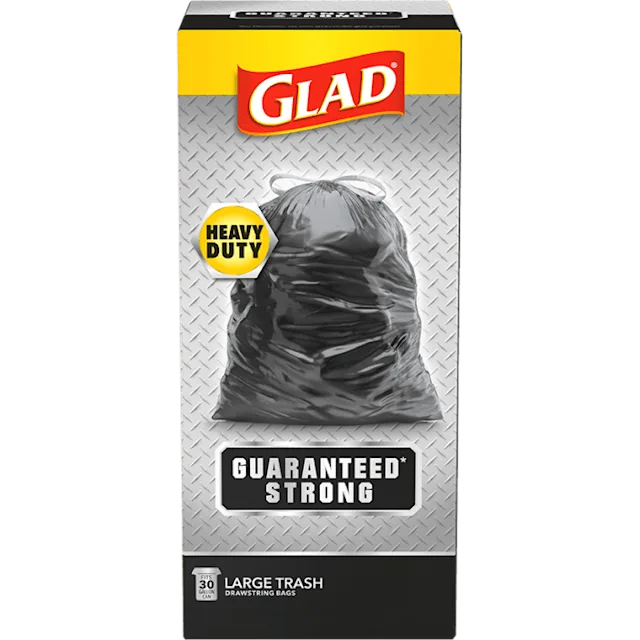
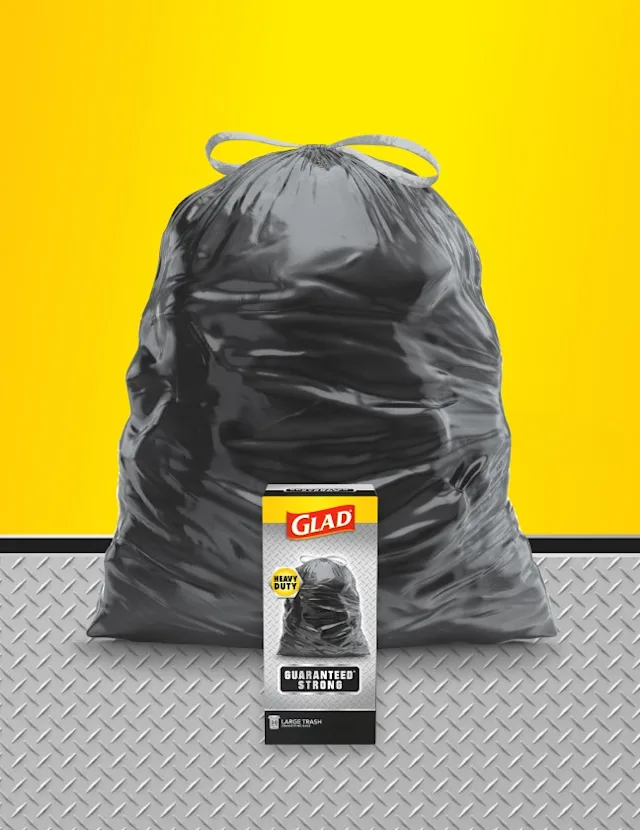
- Use large-capacity bags
- Helps remove bulk clothing in fewer trips
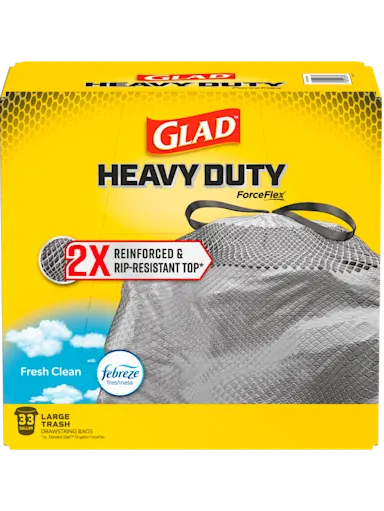
- Consider Glad™ ForceFlex 30 Gallon Large Trash Bags
Step 2: What to Do With Clothes After You Remove Them
Once you’ve sorted everything, the next step is deciding where your clothes should go.
Donate Clothes (Best Option)
You can donate gently used clothing to organizations like:
- The Salvation Army
- Goodwill Industries
- Local shelters or community centers
These donations help support people in need and give clothes a second life.
Give to Local Communities
- Homeless shelters
- Foster programs
- Mutual aid groups
- Friends or family
This is a great option for quickly passing along usable items.
Recycle or Dispose of Damaged Clothes
- Look for textile recycling programs
- Use trash as a last resort
Be sure to place damaged items in sealed trash bags for safe disposal.
Tips for Letting Go of Clothes
Letting go can be the hardest part of decluttering.
- Focus on your current lifestyle, not the past
- Avoid keeping items “just in case”
- Remember: unused clothes take up valuable space
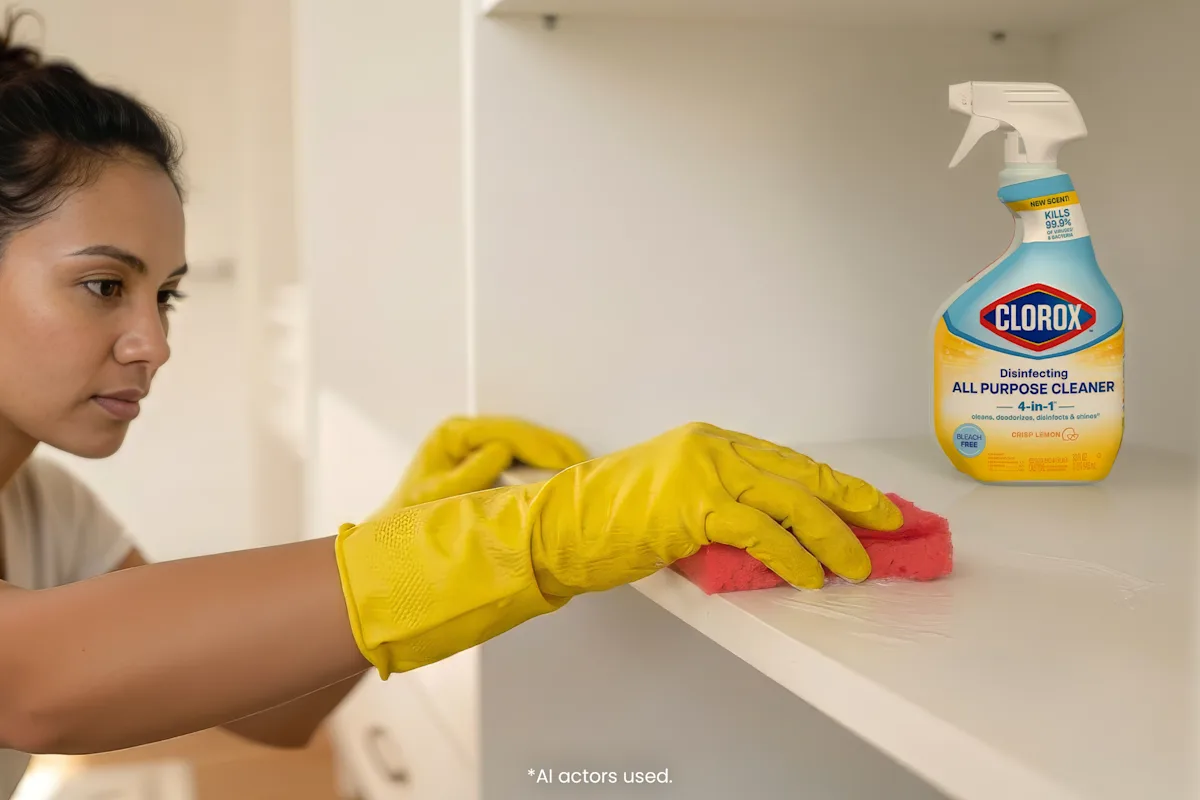
How to Clean a Closet and Clothes
Step 1: Start with dusting before anything else
Before removing clothes, dust shelves, rods and corners to prevent spreading dirt onto clean items.
- Use a microfiber cloth or duster
- Don’t forget baseboards, door frames and upper shelves
- Work top to bottom so dust falls downwards
Step 2: Vacuum or sweep thoroughly
Once dust is removed, clean the floors to eliminate debris, hair and allergens.
- Vacuum carpets and corners using attachments
- Sweep and mop hard floors
- Pay attention to edges where dust and lint collect
Step 3: Disinfect High-Touch Surfaces
Closets can harbor bacteria, especially on frequently touched surfaces.
- Wipe down shelves, rods and handles with disinfecting wipes
- Use a disinfecting spray for hard-to-reach areas
- Let surfaces air dry for proper disinfection
Use Clorox™ Disinfecting Wipes or Clorox™ Disinfecting All Purpose Cleaner to kill germs and refresh surfaces.
Step 4: Launder clothes before putting them back (as needed)
- Even if clothes look clean, they can carry odors, dust or bacteria.
- Wash musty clothes with odor-fighting cleaners
- Follow care labels to prevent damage
- Only return fully dry clothes to avoid mildew
For deeper odor removal, use Pine-Sol™ Multi-Surface Cleaner in your laundry or Clorox FreshGuard™ Laundry Odor Remover that wipes out sweat, smoke, mildew and pet stink.
Step 5: Check for pests and prevent future issues
Closets can attract pests like moths or insects.
- Inspect clothes for holes or damage
- Clean dark corners and rarely used areas
- Use cedar blocks or pest deterrents to protect fabrics
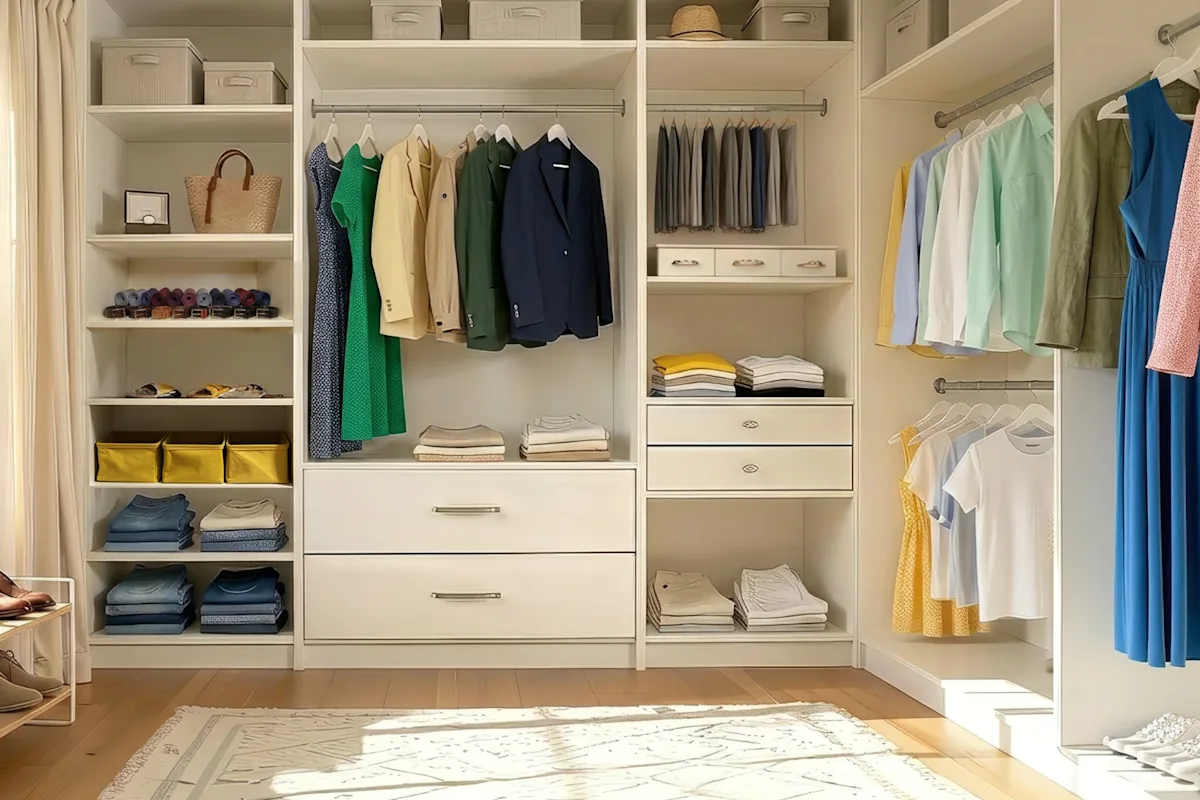
Ready to Go Beyond Your Closet?
Cleaning out your closet is a great first step, but why stop there? Decluttering your entire home can feel overwhelming, but with the right approach, it doesn’t have to be.
In our How to Declutter Your Home Without the Hassle guide, you’ll learn simple, manageable ways to tackle clutter room by room, including how to sort items efficiently and build habits that prevent clutter from coming back.
Frequently Asked Questions
Where to donate clothes near me?
Local thrift stores, community donation centers and charity drop‑off bins are common places to donate clothes, and many organizations list nearby locations on their websites. Some areas also offer curbside pickup for clothing donations.
Where can I donate clothes that won’t be sold?
Clothes that aren’t suitable for resale can often be donated to shelters, animal rescues (for bedding or rags) or textile recycling programs that repurpose worn fabrics.
How to remove dust from clothes in closet?
Shake garments outside, use a lint roller or soft brush, and wipe down closet shelves and rods regularly to prevent dust buildup. Storing clothes in garment bags or breathable covers can also help keep dust off.
What is the best way to organize your closet?
Start by decluttering, then group clothes by category and frequency of use so everyday items are easiest to reach. Using uniform hangers, shelf liners and storage bins helps keep everything visible and tidy.